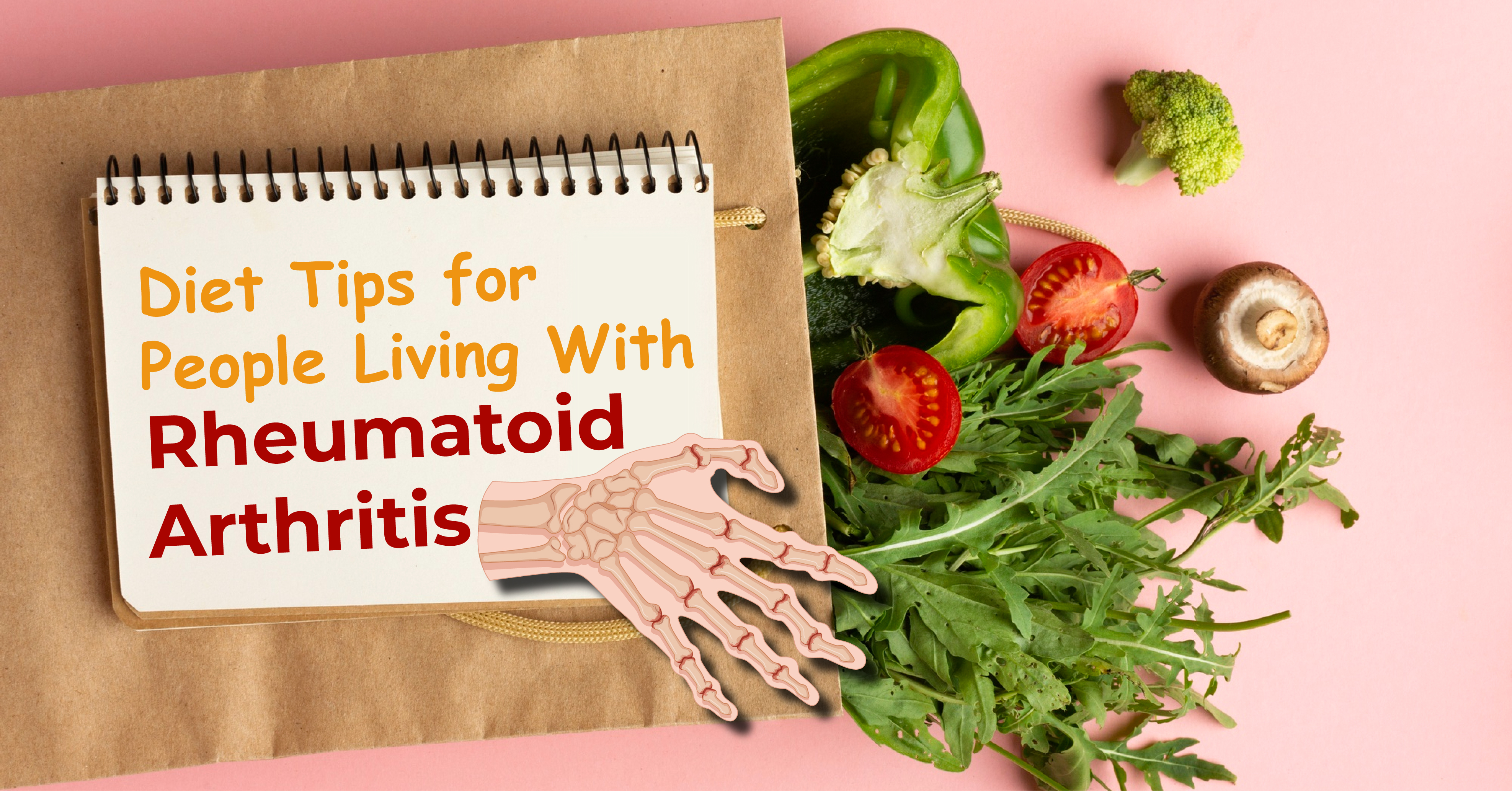
Diet Tips for People Living With Rheumatoid Arthritis
Living with rheumatoid arthritis (RA) often involves managing joint pain, stiffness, swelling, and fatigue on a daily basis. Alongside prescribed medical treatment, many people look for practical lifestyle approaches to support their overall health. Diet is one such area that can play a meaningful supportive role when managed correctly.
This blog explores how nutrition relates to rheumatoid arthritis, which dietary choices may help support joint health, and how diet fits into long-term RA care.
Disease Overview: Understanding Rheumatoid Arthritis
Rheumatoid arthritis is a chronic autoimmune condition in which the immune system mistakenly attacks healthy joint tissue. This leads to ongoing inflammation that can damage joints and surrounding structures over time.
Causes and contributing factors
The exact cause of rheumatoid arthritis is not fully understood. However, several factors are known to contribute, including:
- Autoimmune immune system dysfunction
- Genetic susceptibility
- Hormonal influences
- Environmental factors such as smoking
RA most commonly affects the hands, wrists, knees, and feet and often presents symmetrically on both sides of the body.
Symptoms and impact on daily life
Common symptoms include:
- Joint pain, swelling, and tenderness
- Morning stiffness lasting longer than one hour
- Fatigue and reduced energy levels
- Limited joint movement
If left unmanaged, persistent inflammation may affect mobility and quality of life.
Why Diet Is Important in Rheumatoid Arthritis
Diet does not replace medical treatment, but it can support overall health in people living with rheumatoid arthritis. Nutritional choices influence inflammation, metabolism, and body weight, all of which affect joint health.
A balanced diet may help:
- Support immune system regulation
- Reduce inflammatory stress on joints
- Maintain healthy body weight
- Improve energy and digestive health
How Diet Influences Inflammation
High-level explanation (non-clinical)
Inflammation in rheumatoid arthritis is driven by immune signalling processes involving inflammatory molecules. Certain nutrients found in food can influence these pathways by either supporting or aggravating inflammatory responses.
For example:
- Omega-3 fatty acids are associated with anti-inflammatory activity
- Antioxidants help reduce oxidative stress
- Excess refined sugars may contribute to inflammatory processes
This is why overall dietary patterns matter more than individual foods.
Diet Tips for People Living With Rheumatoid Arthritis
Foods that may support joint health
A nutrient-rich, balanced diet is commonly recommended for people with RA and may include:
- Fatty fish such as salmon, sardines, and mackerel
- Fresh fruits and vegetables rich in antioxidants
- Whole grains for sustained energy
- Nuts and seeds providing healthy fats
- Olive oil as a primary source of dietary fat
These foods are often included in anti-inflammatory eating patterns.
Foods to limit or consume in moderation
Some foods may worsen inflammation in certain individuals:
- Highly processed foods
- Excess refined sugars
- Trans fats
- High-sodium foods
Responses vary from person to person, so keeping track of individual triggers can be helpful.
Weight Management and Joint Health
Maintaining a healthy body weight reduces stress on joints, particularly the knees, hips, and ankles. Even modest weight reduction may help improve mobility and reduce discomfort.
Combining balanced nutrition with appropriate physical activity supports long-term joint health.
Hydration and Digestive Health
Adequate hydration supports:
- Joint lubrication
- Nutrient transport
- Digestive function
A fibre-rich diet from fruits, vegetables, and whole grains also supports gut health, which plays a role in immune balance.
Treatment Overview: Where Diet Fits in RA Care
Rheumatoid arthritis management usually involves a comprehensive, long-term approach tailored by healthcare professionals. This typically includes:
- Medical therapies, such as disease-modifying treatments prescribed by specialists, including options like Tofacitinib Tablet for Rheumatoid Arthritis, where clinically appropriate
- Physical therapy and regular movement to support joint flexibility and muscle strength
- Lifestyle modifications, including stress management and adequate rest
- Supportive dietary strategies that help maintain overall health and manage inflammation
Diet works alongside medical treatment to support daily functioning and long-term joint care, rather than acting as a replacement for prescribed therapies.
Common User Questions About Diet and RA
Can diet help reduce inflammation in RA?
Dietary choices may support inflammation control, but effects differ between individuals and should complement medical care.
Is there one ideal diet for rheumatoid arthritis?
No single diet suits everyone. Balanced, anti-inflammatory eating patterns are commonly recommended.
Do supplements replace dietary changes?
Supplements may support nutritional intake but do not replace a healthy diet or prescribed treatment.
Safety and Usage Overview
When making dietary changes:
- Avoid extreme or restrictive eating plans
- Introduce changes gradually
- Monitor symptom responses
- Seek professional advice if symptoms worsen
Dietary adjustments should always align with medical guidance.
Frequently Asked Questions (FAQs)
1. Can diet cure rheumatoid arthritis?
No. Rheumatoid arthritis cannot be cured by diet, but nutrition supports overall health and symptom management.
2. Are anti-inflammatory diets safe long term?
Yes, when balanced and varied, they are generally safe for long-term use.
3. Should people with RA avoid dairy or gluten?
Only if a sensitivity or intolerance is present. Routine avoidance is not necessary for everyone.
4. How long does it take to see dietary effects?
Some people notice changes within weeks, while others may take longer.
5. Is fasting recommended for RA?
Fasting should only be considered under medical supervision and is not suitable for all individuals.
Key Takeaways
- Rheumatoid arthritis is a chronic inflammatory condition
- Diet supports joint health and overall wellbeing
- Whole, nutrient-rich foods are beneficial
- Individual food responses vary
- Diet complements, not replaces, medical care
Conclusion
Diet tips for people living with rheumatoid arthritis focus on supporting joint health, managing inflammation, and maintaining overall wellbeing. A balanced, anti-inflammatory diet, combined with medical treatment and lifestyle changes, can help individuals manage RA more effectively over time.
